Orthodontics
Movement you can see coming.
- Six to eighteen months
- Scan, photograph and written plan
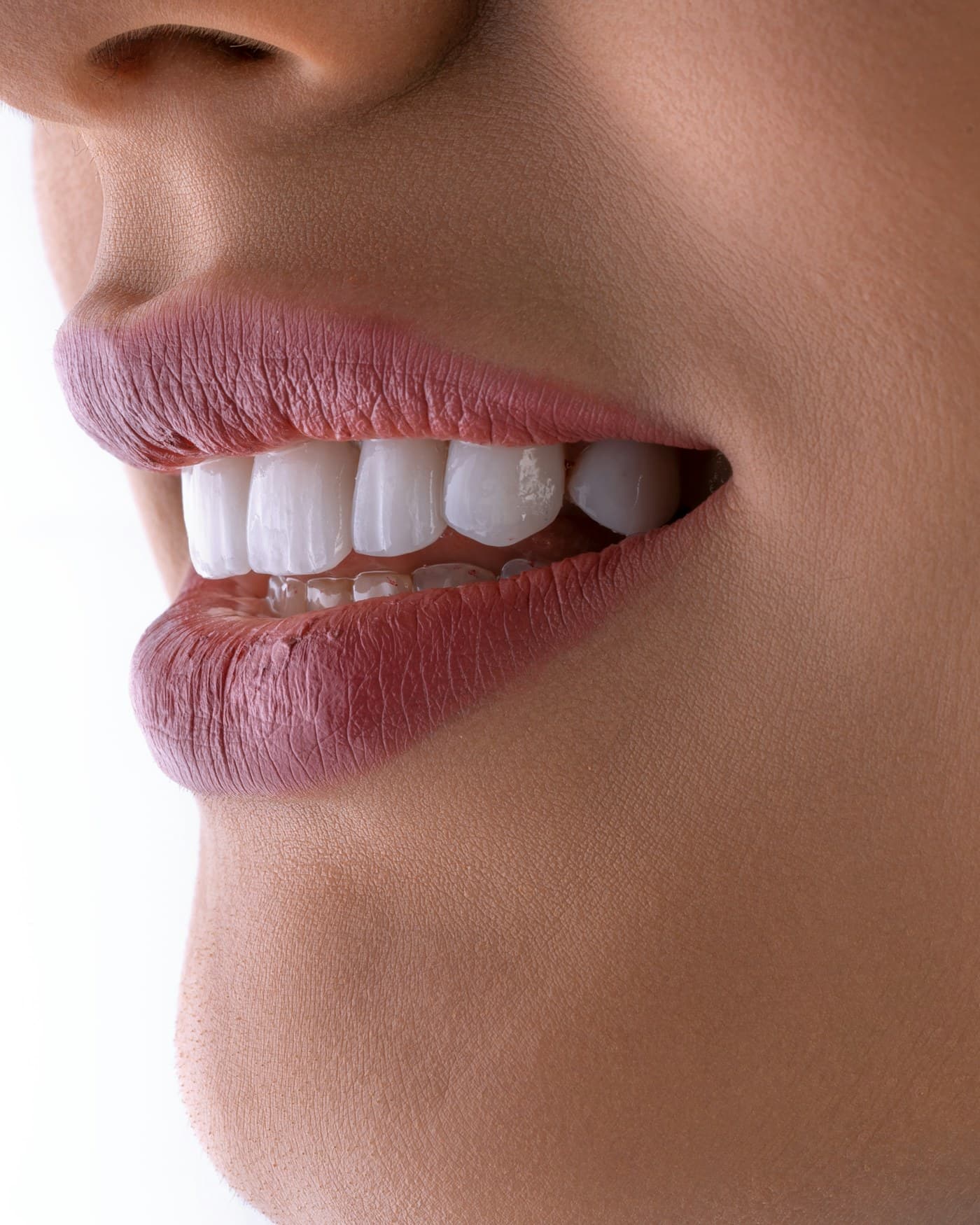
Straight teeth that meet badly are a worse outcome than crooked teeth that meet well. We plan the bite and the alignment as one problem, and we will tell you when the honest answer is that neither needs treating.
What it gives you
- The full movement is simulated before the first aligner is worn
- Bite function is planned alongside appearance, not after it
- Clear aligners for most adult cases; fixed appliances where they genuinely work better
- Retention planned from the start, because relapse is the common failure
Records and simulation
Scans, photographs and a full simulation of the movement from first position to last.
Plan review
You see the projected end position and the number of stages before agreeing to anything.
Active treatment
Aligners changed on schedule, with review appointments at six to eight weeks.
Retention
A bonded retainer, a removable one, or both. This is the part that decides whether the result holds.
The design is drawn before anything is prepared.
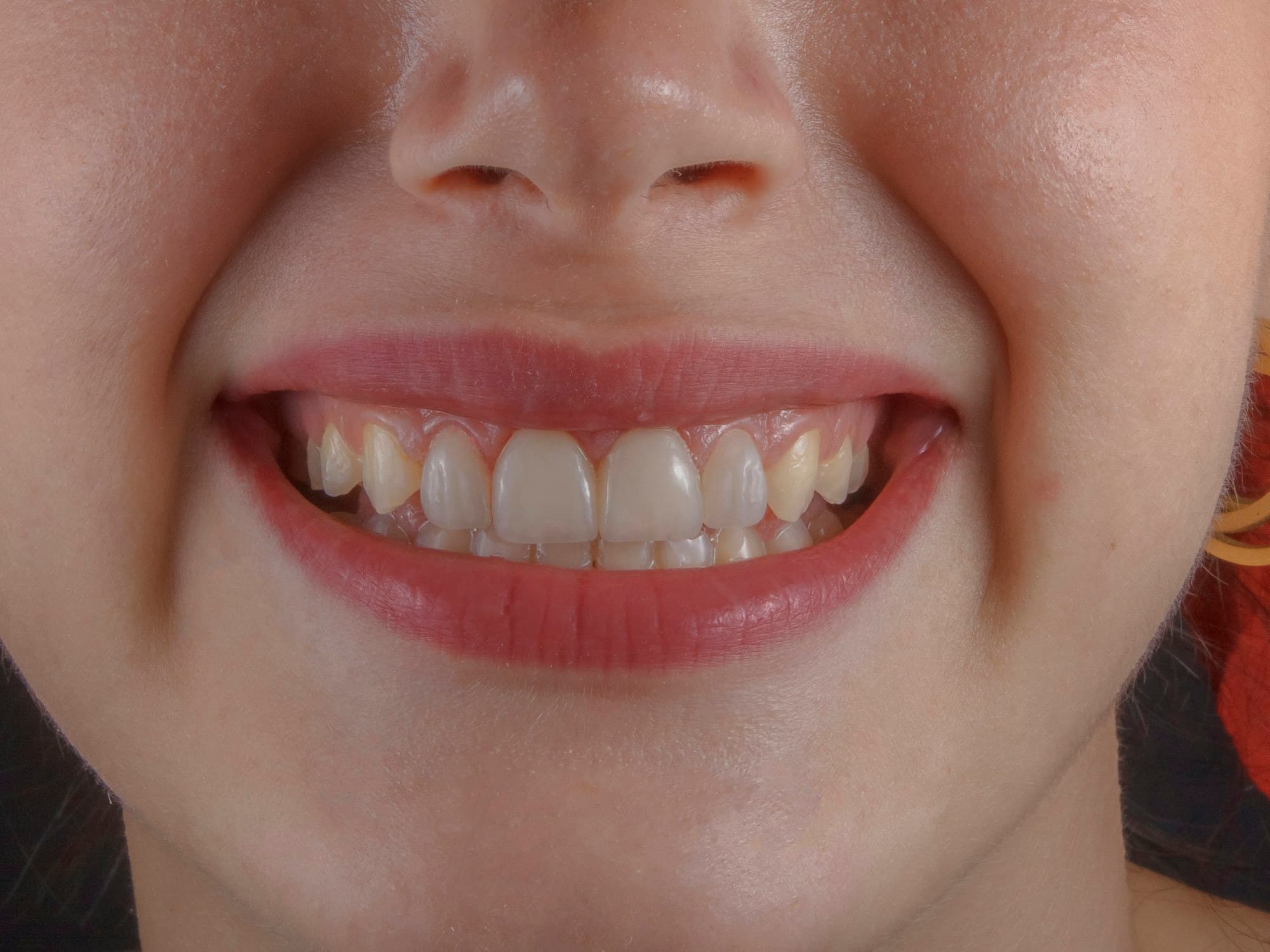
Intraoral scanning and movement simulation, so the number of stages and the end position are known at the outset rather than discovered along the way.
- Aligners or fixed braces?
- Aligners handle most adult cases well. Some rotations and vertical movements are still done better by a fixed appliance, and we will say so rather than sell you the more comfortable option.
- How long will I wear a retainer?
- Indefinitely, in some form. Teeth move for life; retention is not a phase of treatment but a permanent condition of the result.
- Am I too old for this?
- No. Bone remodels at any age. The mechanics are slower in an adult, not impossible.
Your next smilestarts here.
First consultations run forty-five minutes and include a full photographic record and a written plan. There is no obligation to continue.
Book an appointmentOpening hours
- Monday – Thursday
- 08:00 – 19:00
- Friday
- 08:00 – 17:00
- Saturday
- 09:00 – 14:00
- Sunday
- Closed