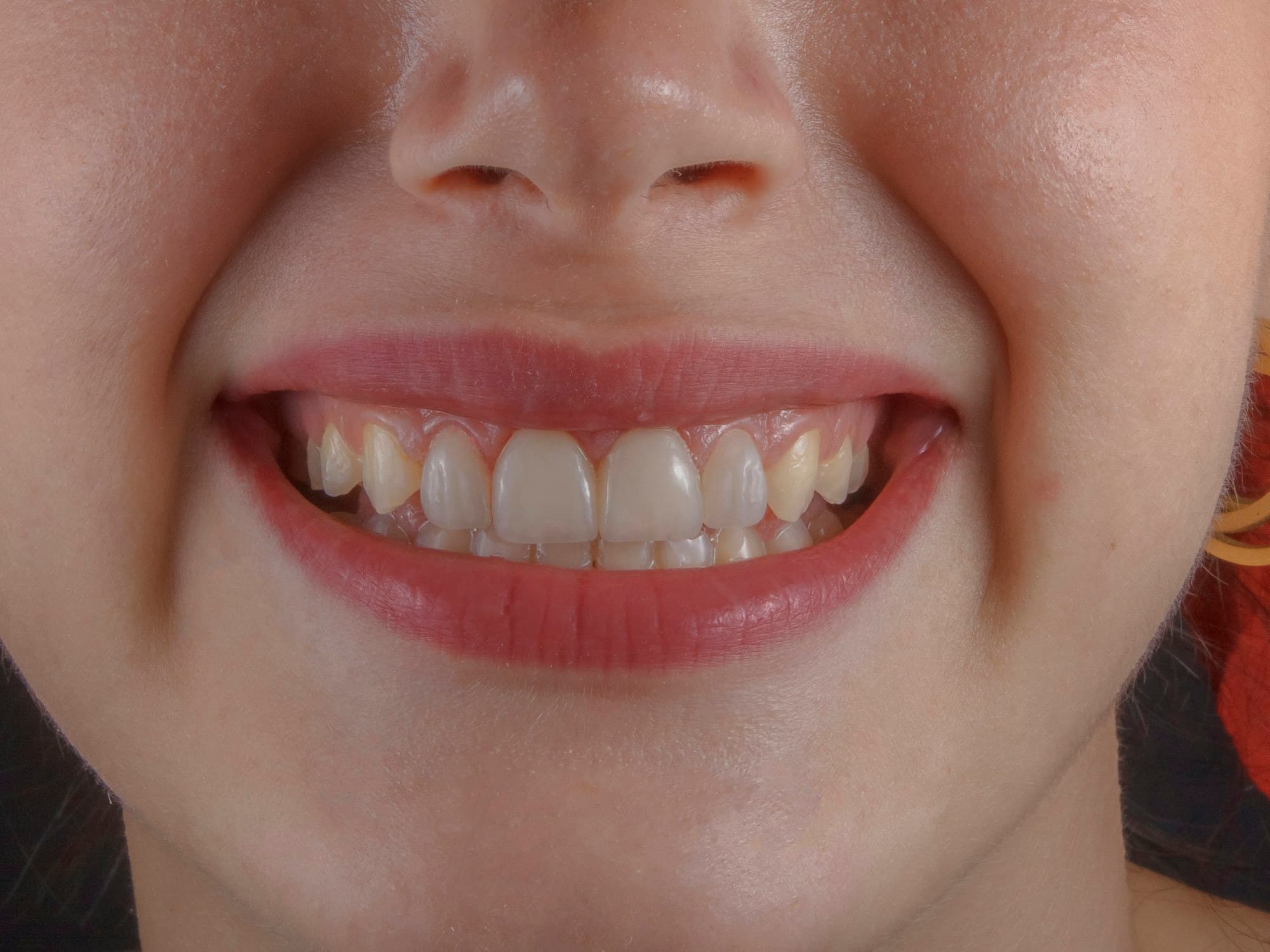
A tooth at rest tells you very little. The information is in the movement — how far the lip travels when you speak, where the incisal edge sits when you are not thinking about it, which side of your face does more of the work when you laugh.
None of that is visible in the two seconds a patient holds a smile for a dentist leaning over them. So we photograph instead: twelve calibrated images and a short video, taken in the same light every time.
What the record makes possible
Once the images exist, the design can happen away from the chair, at actual size, against the proportions of your own face. It can be measured rather than judged. And it can be shown to you before anything is decided, which changes the conversation entirely.
It also makes the result reviewable. Five years on, we can put the same twelve images side by side and see what actually changed rather than rely on anybody's memory of it.
The part that surprises people
Most patients arrive expecting to be told what is wrong. The photographic record tends to produce the opposite conversation: a long look at what is already working, and a much shorter list of what genuinely needs attention.